Decorating a small space doesn’t mean sacrificing style—or spending a lot of money. With smart choices, simple DIYs, and creative styling, even the tiniest room can feel spacious, cozy, and beautifully designed. The key is to focus on function, light, and visual balance while using affordable materials and multipurpose decor.

Before exploring the ideas, let’s look at what you need and how to decorate a small space on a budget.
Things You Need to Decorate a Small Space on a Budget
You don’t need expensive furniture or designer decor. Most small-space decorating can be done with:
- Neutral paint (white, beige, light gray)
- Soft furnishings (pillows, throws, rugs)
- Mirrors
- Floating shelves
- Multipurpose furniture
- Baskets and storage boxes
- Lamps or string lights
- Plants (real or faux)
- DIY wall art or prints
Many of these items can be thrifted, DIYed, or bought affordably.
How to Decorate a Small Space (Basic Steps)
- Declutter first
Fewer items automatically make small spaces feel larger. - Choose light colors
Light shades reflect more light and open up the room visually. - Use vertical space
Walls are valuable—shelves and hooks save floor space. - Pick multipurpose items
Furniture that also stores items is ideal. - Add personality through soft decor
Textiles, plants, and lighting create warmth without bulk.
10 Small Space Decor on a Budget Ideas
1. Use Mirrors to Make the Space Look Bigger
Mirrors reflect light and instantly double the visual space. A large lean mirror or a small mirror gallery on one wall can make a tiny room feel airy and bright. Thrift-store mirrors or DIY framed mirrors are budget-friendly options.

2. Floating Shelves Instead of Bulky Furniture
Floating shelves provide storage and decor space without crowding the floor. Use them for books, plants, candles, or baskets. Wooden or white shelves are affordable and easy to install, making them perfect for renters too.

3. Light Color Palette for Walls and Furniture
Stick with whites, creams, beiges, or soft pastels. These shades create openness and calm. You can always add color through cushions, art, or throws without committing to expensive paint jobs or furniture.

4. Multipurpose Furniture Pieces
Choose furniture that does more than one job—storage ottomans, beds with drawers, foldable desks, or nesting tables. These reduce clutter and save money because one piece replaces several.

5. Affordable Wall Art or DIY Prints
You don’t need expensive artwork. Print minimalist art, quotes, or illustrations at home and frame them cheaply. Even fabric, wallpaper samples, or photographs can become wall decor.

6. Soft Lighting for Cozy Vibes
Instead of harsh ceiling lights, use table lamps, floor lamps, or string lights. Warm lighting makes small spaces feel cozy and intentional. Paper lamps and LED string lights are inexpensive but very effective.

7. Rugs to Define Small Areas
A rug helps define space, especially in studio apartments or small rooms. Choose light-toned or textured rugs to add warmth without overwhelming the area. Budget rugs instantly make rooms look styled.

8. Baskets for Stylish Storage
Baskets are perfect for storing blankets, books, or miscellaneous items. They add texture and keep clutter hidden. Use wicker, fabric, or rope baskets for a clean and cozy look.

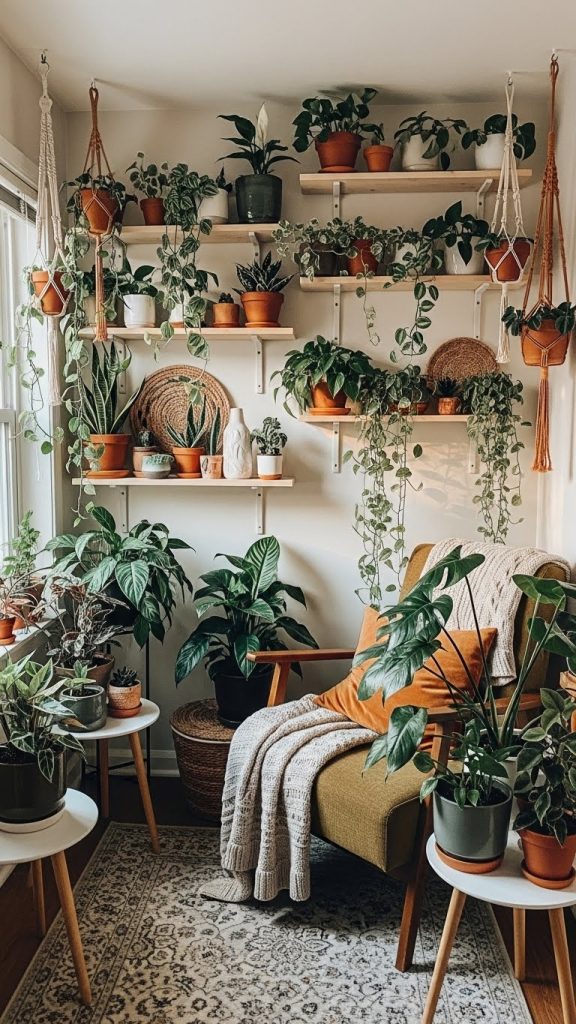
9. Use Plants to Add Life
Plants make small spaces feel fresh and inviting. If real plants are hard to maintain, faux plants work just as well. Small pots on shelves, hanging plants, or one tall plant in a corner can transform the room.
10. Minimal Decor with Intentional Styling
Less is more in small spaces. Avoid overcrowding surfaces. Choose just a few decor pieces—like a vase, a candle, or a small sculpture—and let them stand out. A clean space always feels bigger and more stylish.

Conclusion
Decorating a small space on a budget is all about smart decisions rather than expensive purchases. By using light colors, mirrors, multifunctional furniture, and soft decor elements, you can create a space that feels open, cozy, and personal. Small rooms have great potential when styled thoughtfully.
You don’t need to do everything at once. Start with one wall, one corner, or one piece of furniture—and build from there. Small changes can make a big difference.

